
There’s a moment in almost every PMHNP’s training where venlafaxine stops being a name on a flashcard and becomes a real decision. A patient with stubborn depression, maybe some anxiety riding alongside it, has failed a couple of SSRIs, and someone suggests bumping them up to an SNRI. Effexor. You’ve written it before, or watched your preceptor write it. It works. And then, weeks later, the same drug that pulled the patient out of a hole starts doing two quieter things that nobody warned them about — nudging their blood pressure up and turning a single missed dose into a miserable day. Venlafaxine is one of the most useful antidepressants you’ll ever hand a patient. It’s also one of the least forgiving. Learning to hold both of those truths at once is exactly the kind of thinking your boards are built to test.
So let’s slow down and actually understand this drug, because venlafaxine is a machine for generating board questions and clinical near-misses in equal measure. The two things that make it dangerous are the two things students most often skip past: its blood pressure effect is dose-dependent, and its discontinuation syndrome is brutal because its half-life is short. Get those two ideas locked in and you’ll answer the exam question and protect the patient in the same breath.
One drug, two personalities, and the dose is the switch
Start with the mechanism, because everything else flows from it. Venlafaxine is a serotonin-norepinephrine reuptake inhibitor — an SNRI — but here’s the nuance that separates a strong answer from a lucky guess: it does not inhibit both transporters equally at every dose. At low doses, around 75 mg a day, venlafaxine behaves almost like a plain SSRI, blocking serotonin reuptake with only a whisper of norepinephrine activity. As you climb past roughly 150 mg and beyond, the norepinephrine reuptake inhibition finally becomes clinically meaningful. This is why clinicians describe venlafaxine as having a “dose-dependent dual mechanism,” and it is one of the most testable concepts attached to the whole SNRI class.
That single fact explains the drug’s best feature and its worst side effect simultaneously. The norepinephrine action is part of why venlafaxine can succeed where an SSRI failed — the added noradrenergic push is thought to help with certain treatment-resistant and severe depressions. But norepinephrine doesn’t just work on mood. It works on the vasculature. Crank up noradrenergic tone across the body and you shouldn’t be surprised when the blood pressure cuff starts telling you a different story. The mechanism that rescues the depression is the same mechanism that lifts the diastolic pressure. Once you see venlafaxine that way, you never un-see it, and you’ll never again treat 75 mg and 300 mg as if they were the same drug.
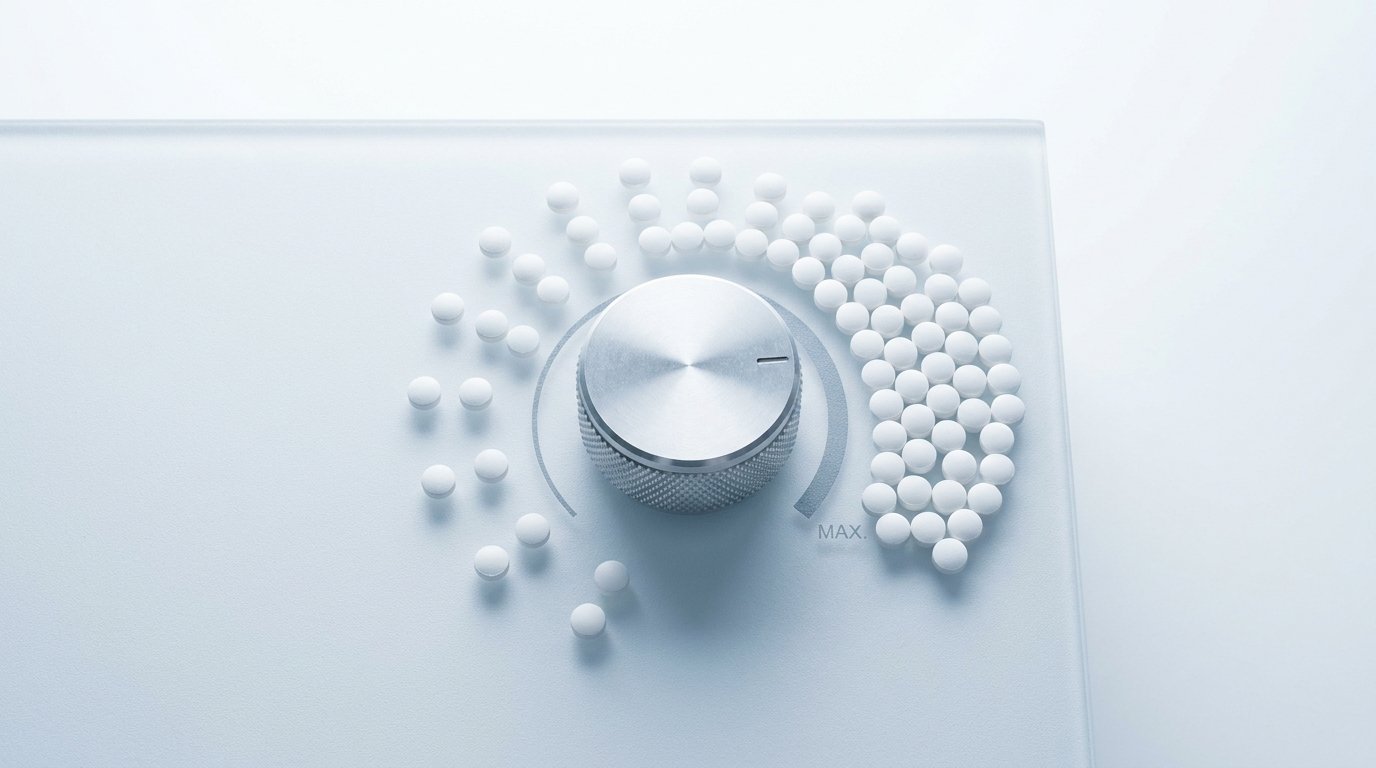
The blood pressure effect you’re supposed to be watching for
Here is where a lot of prescribers get lazy, and where your exam will absolutely try to catch you. Venlafaxine causes a sustained, dose-related increase in blood pressure, and the FDA-approved labeling for the drug explicitly tells clinicians to monitor blood pressure in patients taking it. This isn’t a footnote — it’s baked into the official prescribing information precisely because the effect is real and predictable.
The numbers make the dose-dependence obvious. Across the pooled clinical trials that supported venlafaxine’s approval, the rate of sustained diastolic hypertension was modest at low doses and climbed steadily as the dose rose. At the high end — the 300 to 375 mg per day range — studies found that roughly 13% of patients developed a sustained increase in diastolic blood pressure of 10 mmHg or more. At typical starting doses the risk is far lower, in the low single digits. That gradient is the whole point. The drug isn’t randomly hypertensive; it’s hypertensive in proportion to how hard you’re pushing the norepinephrine side of the mechanism. There are even published case reports in The American Journal of Medicine describing frank hypertensive crises and accelerated hypertension tied to venlafaxine, which is a useful reminder that the tail of this distribution is not harmless.
So what does the awake clinician actually do with this? You get a baseline blood pressure before you start, and you don’t just check it once and forget it. You recheck it as you titrate upward, because the higher you go, the more the risk climbs. If a patient develops a sustained rise in blood pressure on venlafaxine, the labeling gives you two levers: reduce the dose or discontinue the drug. And in a patient who already has poorly controlled hypertension, venlafaxine is the SNRI where you slow down and think twice before reaching for the higher doses. This is bread-and-butter PMHNP judgment — matching the drug’s known liability to the patient in front of you — and it’s exactly the kind of reasoning boards reward.
Why a single missed dose can wreck a patient’s day
Now the second personality of this drug, and arguably the one that causes patients the most day-to-day suffering: discontinuation syndrome. Venlafaxine has one of the worst reputations of any antidepressant for withdrawal symptoms, and the reason is pure pharmacokinetics. The parent compound has a strikingly short half-life — on the order of five hours, with the active metabolite (O-desmethylvenlafaxine, which you may know as desvenlafaxine) running only modestly longer at roughly eleven hours. Compare that to fluoxetine, whose half-life plus active metabolite stretches over days. Short half-life means the drug clears the system fast, and a fast exit is exactly what a destabilized serotonin-norepinephrine system experiences as a shock.
The clinical consequence is dramatic and worth committing to memory: with venlafaxine, discontinuation symptoms can emerge after even a single missed dose, sometimes within 24 hours. Patients describe dizziness, nausea, flu-like malaise, irritability, vivid or disturbing dreams, and the famous “brain zaps” — those brief, electric-shock sensations in the head that are so characteristic of SNRI and short-half-life SSRI withdrawal that a whole PubMed literature exists documenting them. A patient who forgets their dose on a Saturday morning and feels inexplicably terrible by the afternoon isn’t imagining it. They’re in acute discontinuation, and if nobody ever explained that to them, they may quite reasonably conclude the medication “did something” to them and refuse to ever touch it again.
The mnemonic that ties it together is FINISH — Flu-like symptoms, Insomnia, Nausea, Imbalance, Sensory disturbances, and Hyperarousal. It’s a tidy way to recognize antidepressant discontinuation syndrome on an exam and in clinic, and venlafaxine is practically the poster child for it. One more crucial distinction the boards love: discontinuation syndrome is not relapse. It comes on fast, within days of a dose change; it features those physical and sensory symptoms rather than a pure return of low mood; and it resolves quickly when the drug is reinstated. Depression relapse, by contrast, builds gradually over weeks and looks like the original illness. Mixing those two up leads to real harm — a clinician who reads withdrawal as relapse may keep a patient on a drug they were trying to leave, while a clinician who reads relapse as withdrawal may abandon effective treatment too soon.

Tapering: the skill that separates careful prescribers from the rest
Because of all this, venlafaxine is a drug you taper with genuine respect. The guidance in the clinical literature — including practical reviews in Current Psychiatry on preventing and managing venlafaxine discontinuation syndrome — generally supports gradual dose reductions, often around 75 mg per day at roughly weekly intervals for patients who tolerate it, and dramatically slower for those who don’t. For the patient who gets clobbered even by small reductions, tapers can be stretched over many months using tiny decrements, sometimes with a temporary switch to fluoxetine to exploit that long half-life as a cushion. The takeaway isn’t a single rigid schedule to memorize; it’s the principle that this molecule punishes abrupt stops and rewards patience.
There’s also a beautifully practical bit of counseling wisdom hiding in the pharmacokinetics. Because venlafaxine leaves the body so quickly, it should be taken at the same time every day, and patients should understand that consistency isn’t optional nagging — it’s the difference between a smooth day and a wretched one. Dr. Daniel Carlat’s teaching and the broader Carlat Psychiatry Report tradition have long emphasized this kind of anticipatory, plain-language counseling: tell the patient what the drug will feel like, what a missed dose feels like, and what the plan is if they ever want to come off. A patient who has been warned about brain zaps handles them; a patient blindsided by them panics. Same symptom, completely different outcome, and the only variable is whether you did your job at the front end.
Where venlafaxine still shines
None of this is a case against the drug. It would be a mistake — and a disservice to your future patients — to walk away thinking venlafaxine is something to avoid. It’s a genuinely effective antidepressant, often a strong choice when SSRIs have underdelivered, and it carries evidence for depression and several anxiety disorders. The Psychopharmacology Institute and countless clinical references still rank it among the workhorses of the field for good reason. The whole point of understanding its two liabilities is that it lets you use its strengths with confidence. You can push the dose when a patient needs the noradrenergic lift — you just watch the blood pressure while you do it. You can prescribe it long-term — you just build the taper conversation in from day one.
That’s the difference between prescribing on autopilot and prescribing with your eyes open. The autopilot clinician writes venlafaxine, escalates the dose to chase a response, never rechecks a blood pressure, and then gets a confused phone call when the patient stops cold turkey and feels like they have the flu with electricity in their skull. The awake clinician sees all of it coming, because they understand that the mechanism, the blood pressure, and the withdrawal are not three separate facts — they’re one connected story about a drug whose power and whose risks both scale with the norepinephrine.
Why this matters to you, specifically
You’re going to prescribe venlafaxine. In a specialty facing the demand that psychiatric care faces right now, you’ll reach for the effective drugs often, and the SNRIs are effective drugs. So the question was never whether you’d use it — it’s whether you’ll use it like someone who truly understands it. When you can explain, without notes, why the blood pressure risk rises with the dose, why a short half-life makes discontinuation so fierce, and how to tell withdrawal apart from relapse, you’ve crossed a real threshold. That’s not trivia. That’s the clinical judgment that keeps a patient safe and keeps them in treatment long enough to actually get better.
Master venlafaxine and you’ve quietly learned a template you’ll reuse for the rest of your career: find the mechanism, trace it out to its predictable side effects, respect the pharmacokinetics, and counsel the patient before the problem happens instead of after. That’s the whole craft, distilled into one drug. If this is how you want to prepare for your boards — high-yield, clinically honest, and built around the reasoning you’ll actually be trusted to do — come study with us. Full-length practice questions, rationales that teach the “why” instead of just the answer, and board prep designed for how PMHNPs really think are waiting for you at PMHNPReview.org. You’ve come too far to prepare halfway. Let’s get you ready for the exam and for the patients on the other side of it.